Authenticity
How to assess the authenticity of a Montblanc pen
A responsible guide to examining construction, engravings, mechanism, and provenance without relying on a single detail.
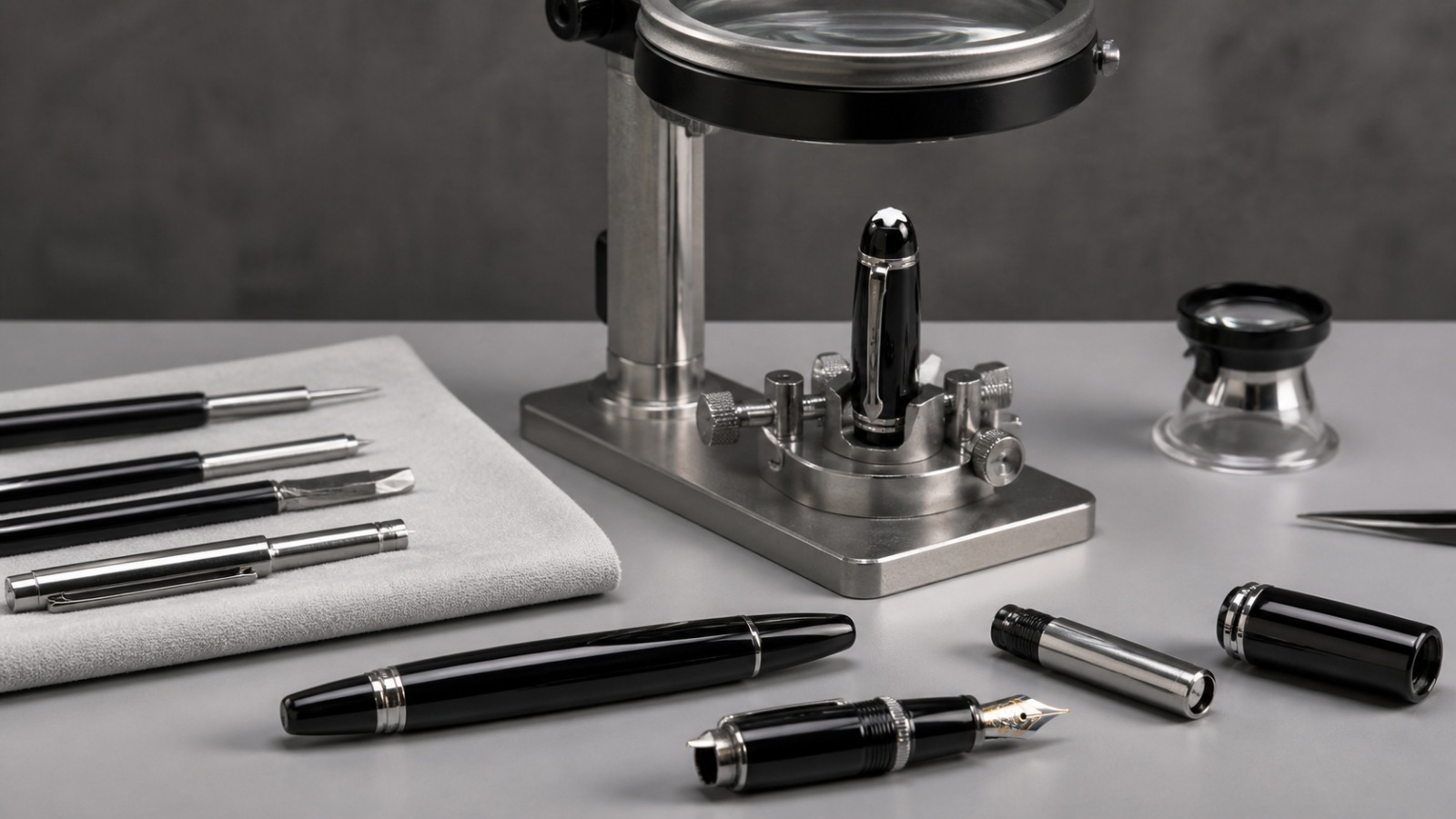
There is no magic test
Authenticity should be evaluated as a whole. Serial numbers, engravings, color under specific light, or reaction to magnets are clues that vary by model and period; individually, none of them concludes the analysis.
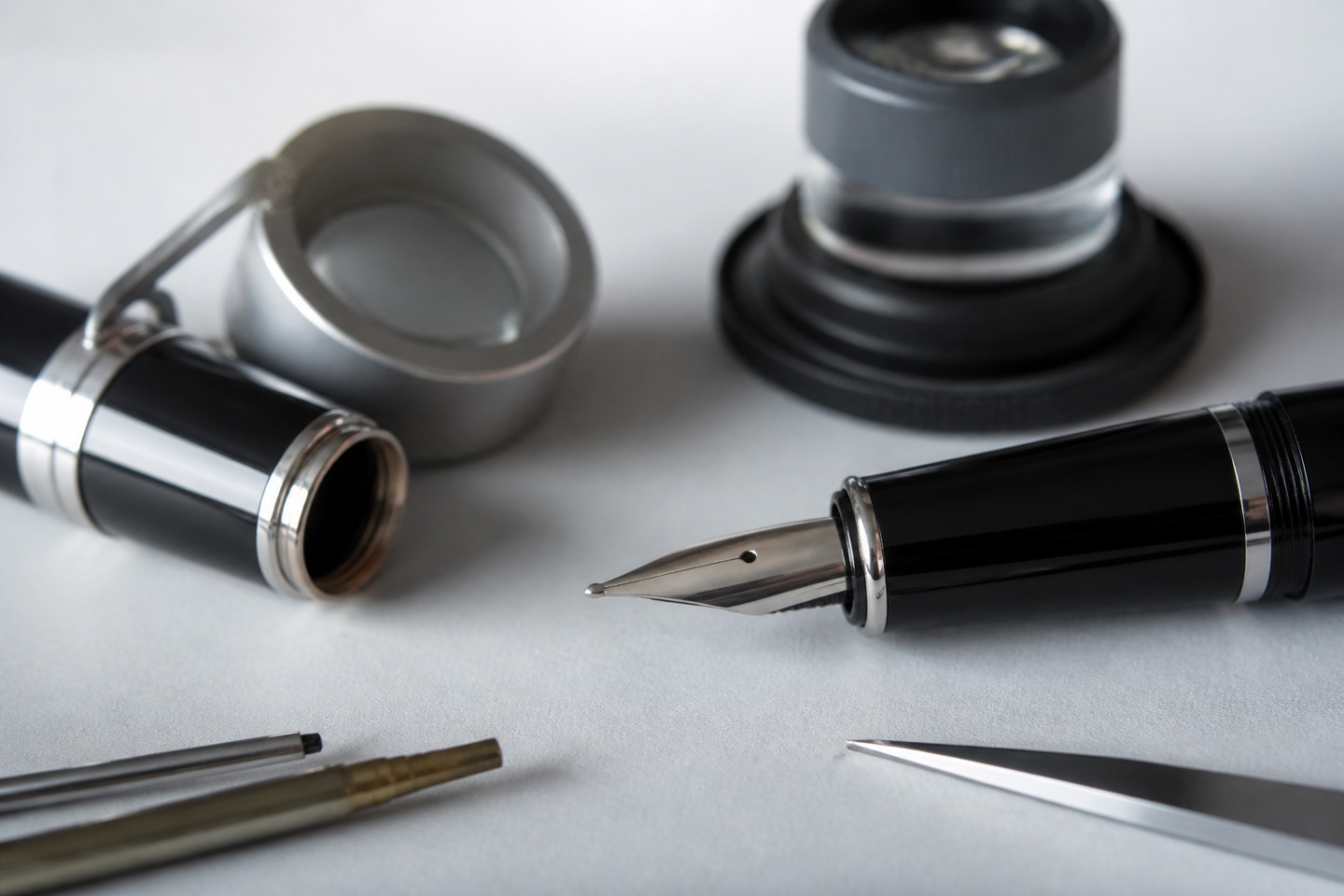
Counterfeits also replicate known details. That is why you should compare the item with documented examples of the same reference and era, not with a generic description found online.
Examine coherence and finish
Observe proportions, clip alignment, definition of engravings, fits, threads, and star finish. On the pen, check geometry, engravings, and relation to the ink feed. In the mechanism, look for smooth operation and construction compatible with the reference.

Signs of use do not necessarily indicate a counterfeit. On older pieces, minor marks are expected; overly pristine finish or components from different periods also warrant investigation, although they may result from legitimate maintenance.
Provenance reduces uncertainty
Request clear photos, history, proof when available, and return conditions. Prefer identifiable sellers and payments with protection. A price significantly below market value requires additional caution.
For valuable pieces, the safest conclusion comes from a boutique or independent specialist with experience in the model. This guide helps filter risks, but it does not replace a professional in-person inspection.
Editorial and educational content. For authentication, evaluation or repair, consult a professional.