References
Understanding the Numbers in the Meisterstück Line
What do references like 149, 146, and 144 help identify—and why they shouldn’t be read as a universal formula.
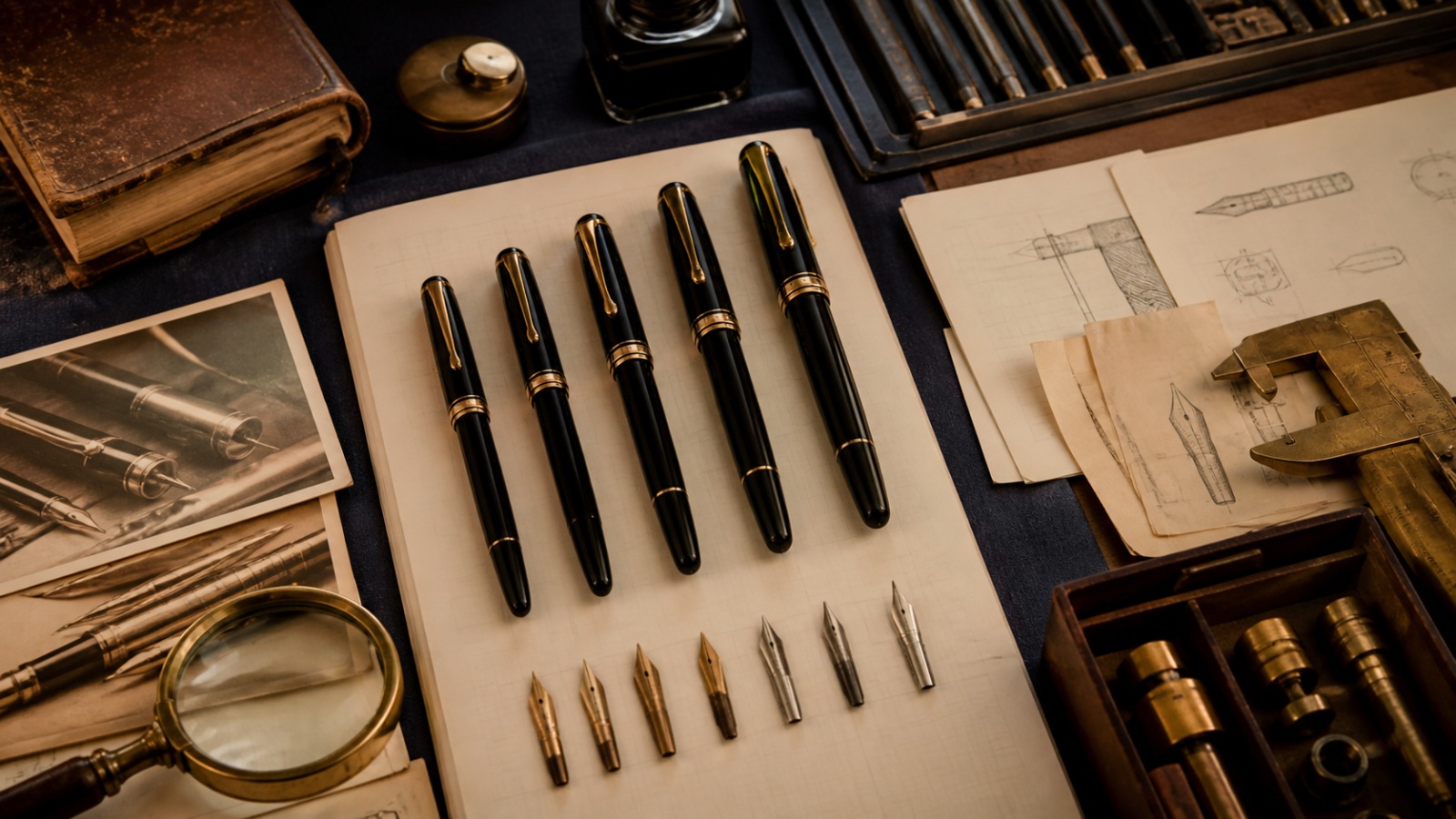
Numbers as Family Names
In the practice of pen collecting, numerical references function as names that group format and configuration. They facilitate conversation, searching, and comparison, but the appearance of a single reference can change over time.
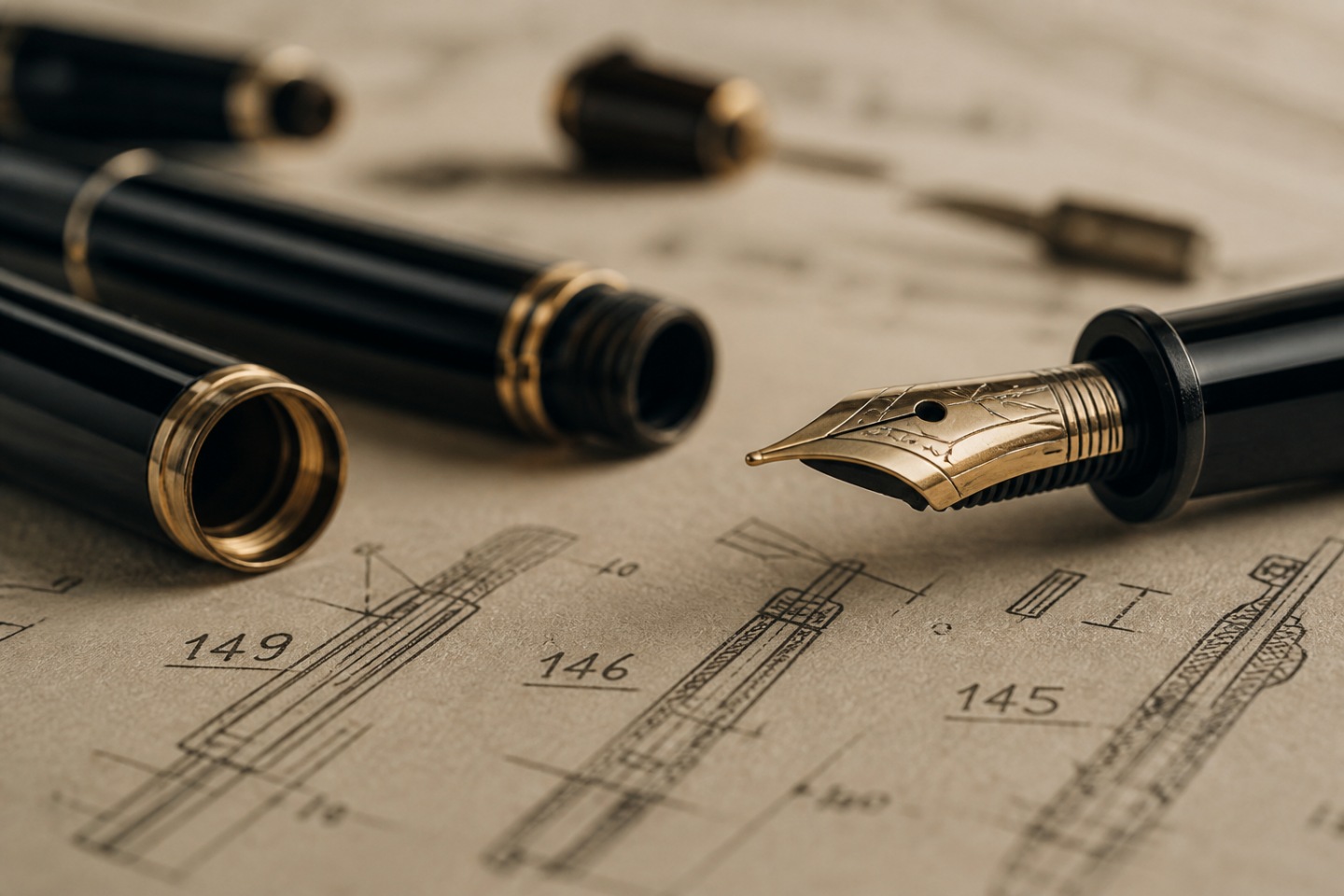
Materials, feeders, nibs, inscriptions, and small components have evolved. Identifying only the number is the beginning of cataloging, not the end.
What the Three Digits Already Indicated
Historically, numbering systems from the brand could communicate line, filling system, and size. This logic is useful for studying old catalogs, but should not be mechanically applied to all modern production.
Commercial terms like Classique and LeGrand began coexisting with the references used by collectors. Depending on the market and period, advertisements and documents may prioritize one denomination over another.
How to Register Correctly
When cataloging, note the reference, type of instrument, filling system, finish, nib width, and signs that help estimate the period. Include measurements and photographs.
A descriptive record avoids making the entire identification depend on a single name. It also facilitates recognizing piece swaps, legitimate variations, and differences between very similar versions.
Editorial and educational content. For authentication, evaluation or repair, consult a professional.