Materials
Resin, metal and celluloid in Montblanc pens
How different materials influence weight, appearance, aging, and preservation of modern and historical models.
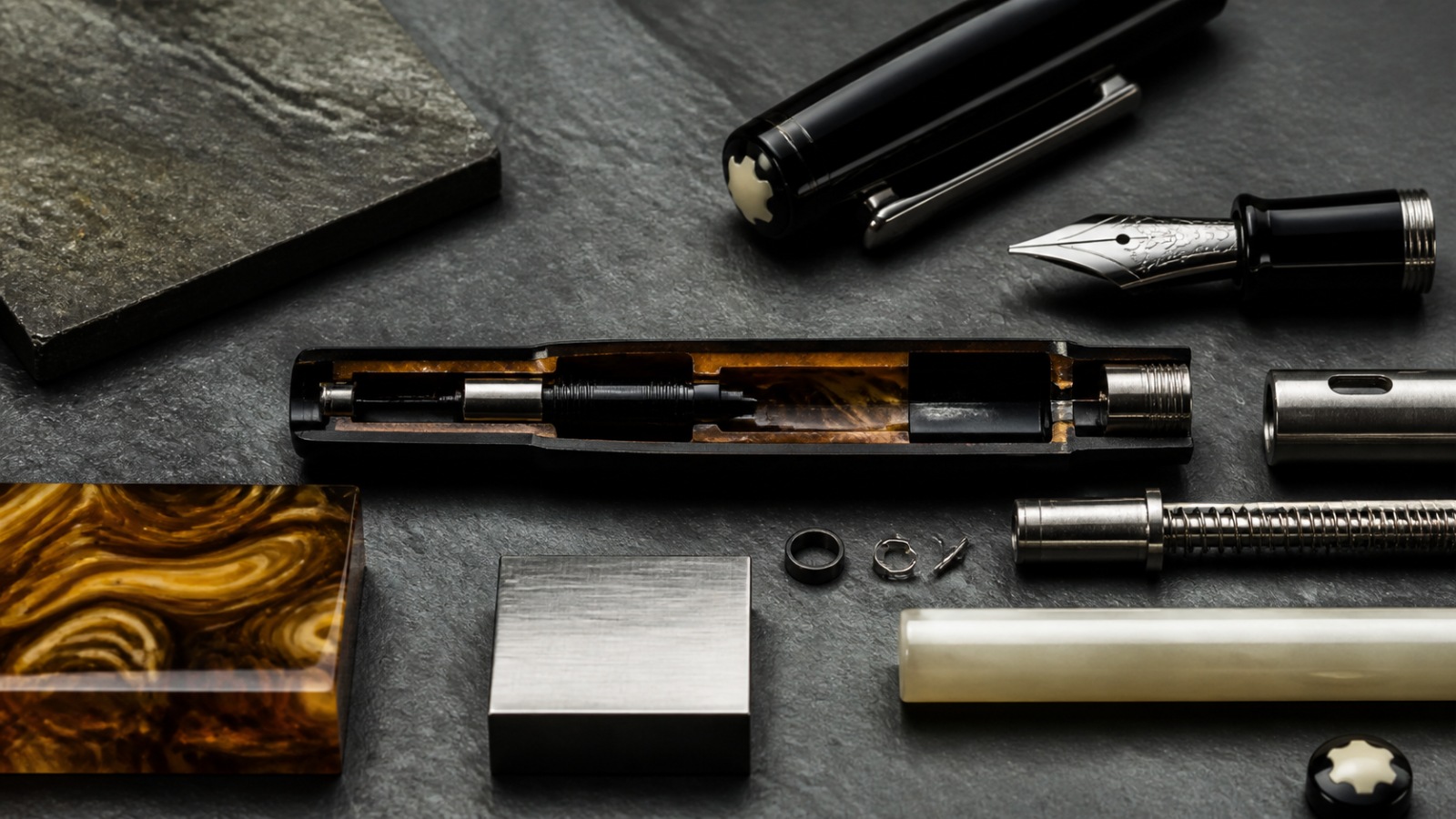
Resins and the classic identity
The dark, glossy surface is one of the most recognizable codes of the Meisterstück. The material allows for precise shapes, moderate weight, and uniform polishing, but can accumulate micro-scratches with use.
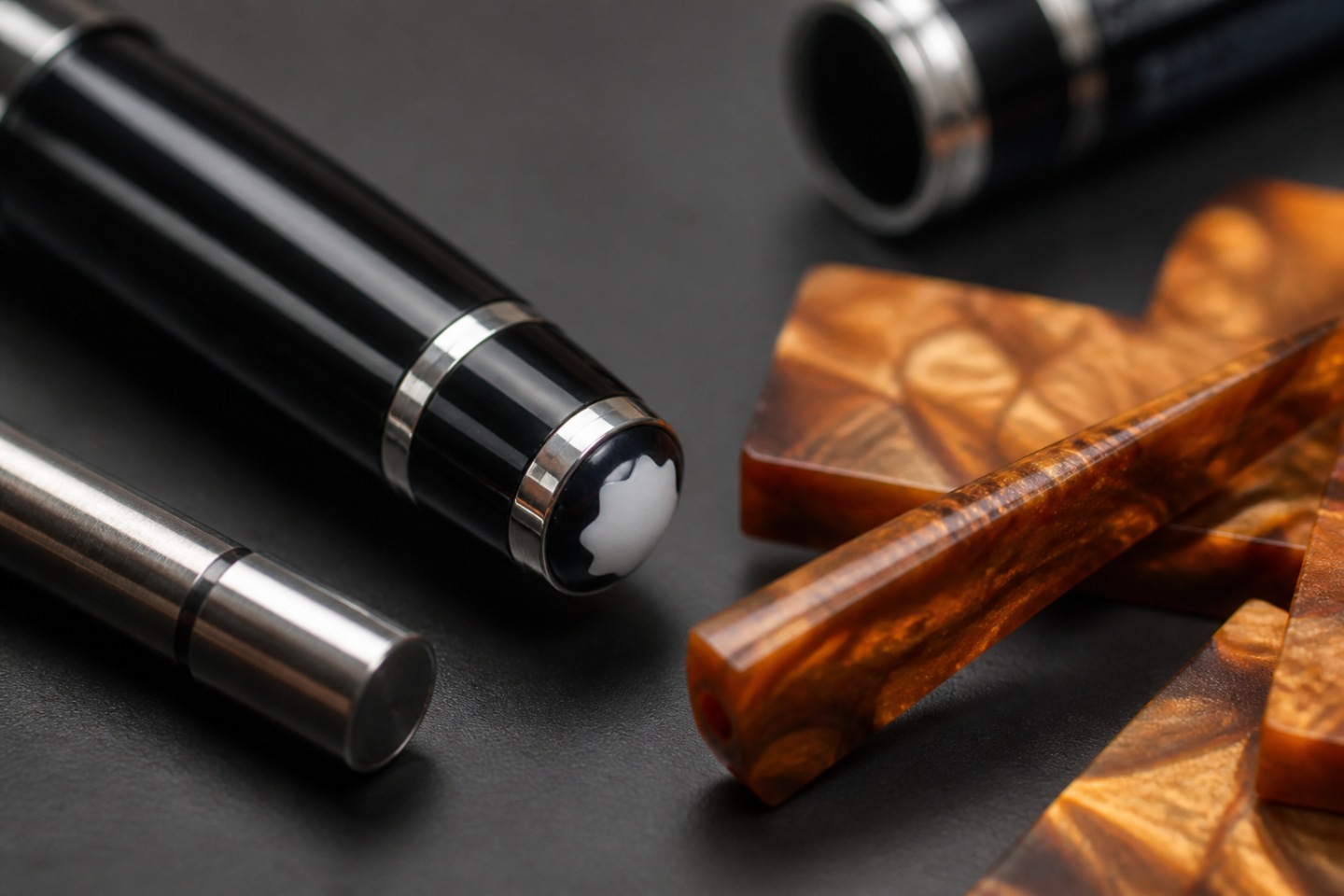
The commercial term used for the material does not eliminate the need for care. Drops, heat, and chemical agents remain capable of causing damage.
The weight of metals
Editions with metal body or coating significantly change the feel in the hand. The center of gravity and total mass can favor short signatures, but may fatigue during extended sessions.
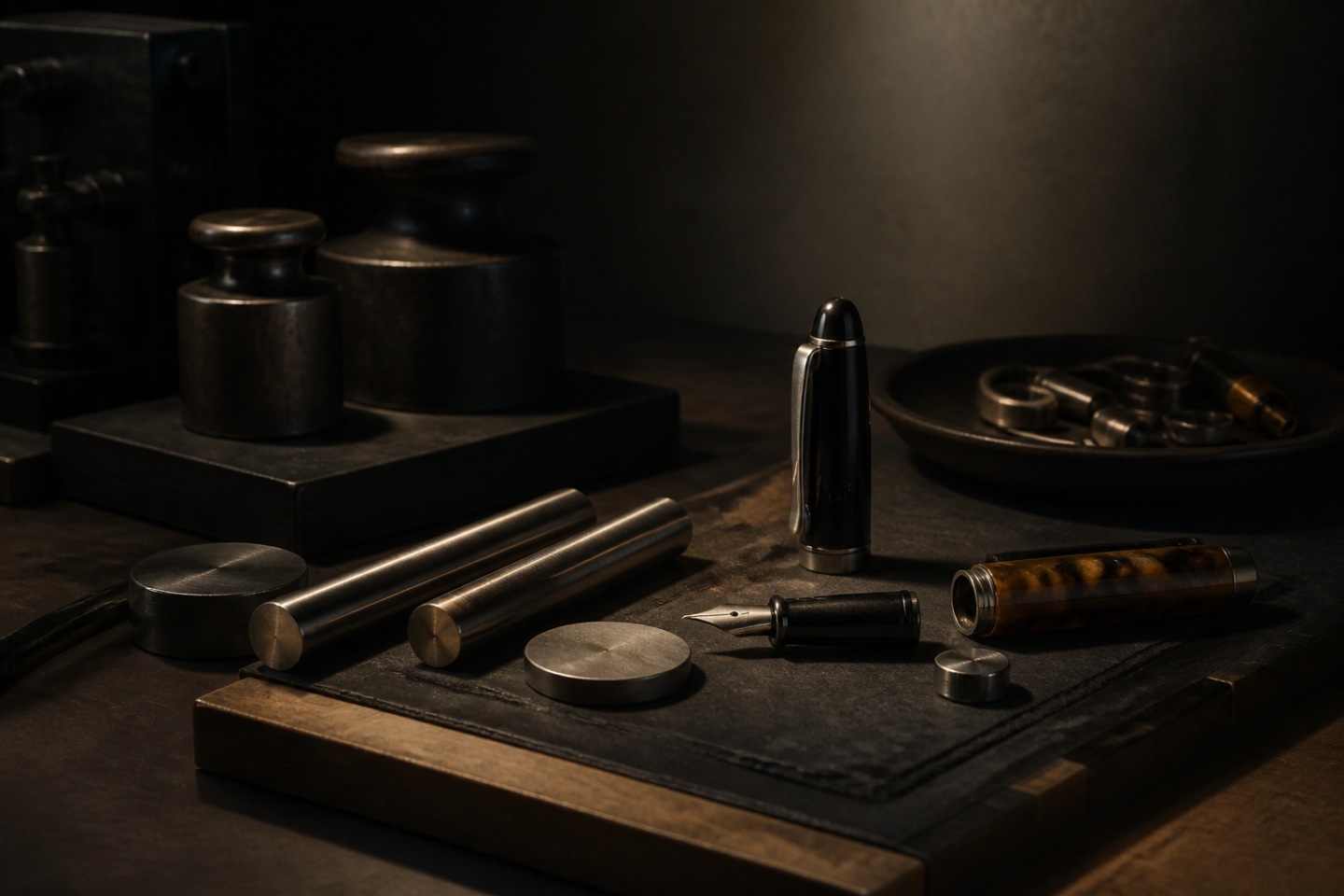
Plating and finishes also age in distinct ways. Friction, sweat, and improper storage can mark surfaces, especially in areas of constant contact.
Historical materials
Older pens may employ celluloid, ebonite, and other materials that respond to time in a particular way. Discoloration, shrinking, and oxidation should be assessed within the context of the piece.
Do not apply modern pen cleaning techniques to a vintage example without confirming the material. Responsible preservation begins with accurate identification.
Editorial and educational content. For authentication, evaluation or repair, consult a professional.